Evolução da Internet & Web Luis Borges Gouveia lmbg@ufp.edu.pt | lmbg.blogspot.com  Universidade Fernando Pessoa Maio de 2009
Nota prévia Esta apresentação foi realizada tendo por base o uso de imagens obtidas através do motor de pesquisa Google, seleccionando imagens e os termos “ Web 2.0 and Internet Evolution ” Com base nas imagens foi estabelecida uma ordem com o intuito de contar a história da evolução da Internet para contextualizar o contexto do conceito da Web 2.0 As imagens pertencem a diferentes autores e estão disponíveis na Web. A apresentação é também um tributo aos seus autores e ao imenso acervo de informação multimédia que actualmente constitui a  World Wide Web
Previous remarks This presentation was made after getting available Web images using Google search engine, using the searh string “ Web 2.0 and Internet Evolution ” Taking a selection of the many available images, this presentation was built with the goal of telling the story of Internet evolution and to contextualised the Web 2.0 concept The images belong to different authors and are available in the Web. This presentation is also a tribute the many authors that place their content in the Web and to the actual potential of multimedia information that can be acessed in the Internet and the  World Wide Web Presentation in Portuguese
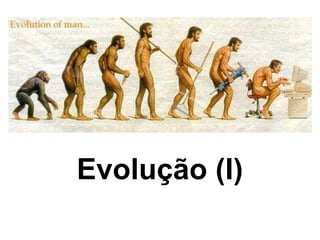
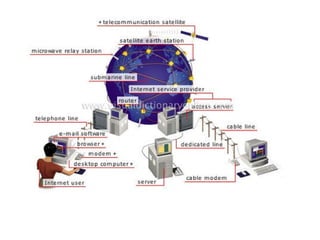
Evolução (I)
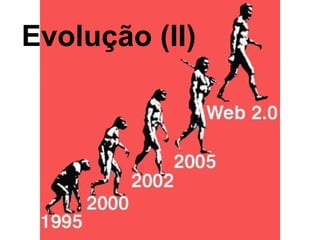
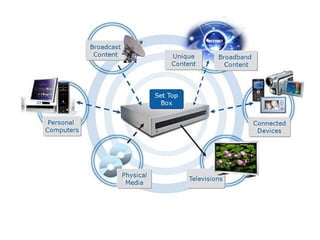
Evolução (II)
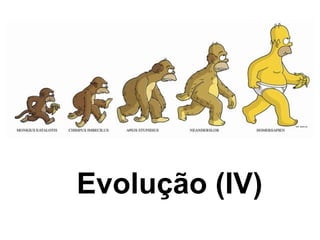
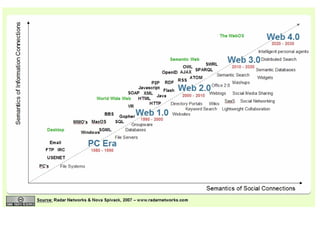
Evolução (IV)
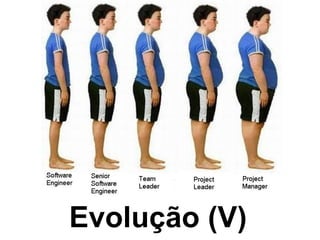
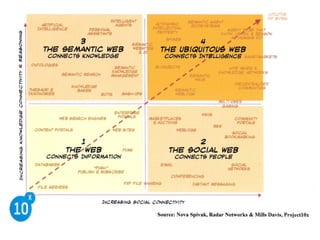
Evolução (V)
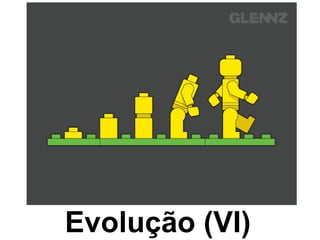
Evolução (VI)
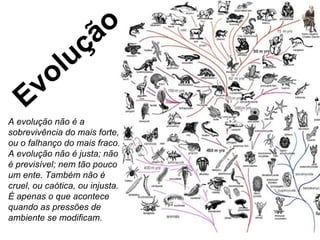
Evolução  A evolução não é a sobrevivência do mais forte, ou o falhanço do mais fraco. A evolução não é justa; não é previsível; nem tão pouco um ente. Também não é cruel, ou caótica, ou injusta. É apenas o que acontece quando as pressões de ambiente se modificam.
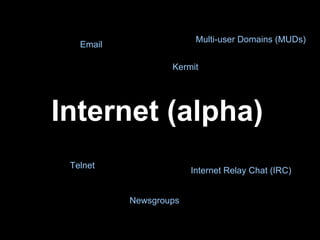
Internet (alpha)  Email Telnet Internet Relay Chat (IRC) Kermit Newsgroups Multi-user Domains (MUDs)
 
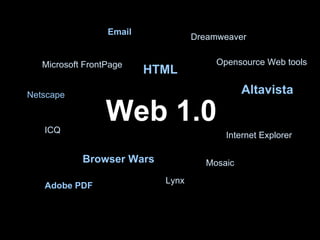
Web 1.0 Lynx Browser Wars Microsoft FrontPage Opensource Web tools Mosaic Netscape Altavista ICQ Email Internet Explorer Dreamweaver HTML Adobe PDF
 
 
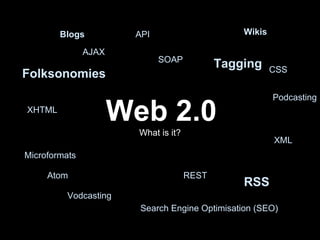
Web 2.0 What is it? AJAX RSS Atom XML XHTML Tagging Folksonomies Podcasting Vodcasting Wikis Blogs REST SOAP API CSS Microformats Search Engine Optimisation (SEO)
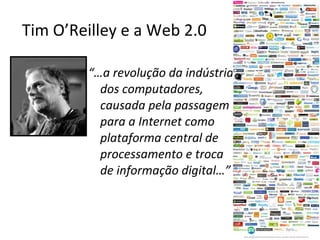
Tim O’Reilley e a Web 2.0 “… a revolução da indústria dos computadores, causada pela passagem para a Internet como plataforma central de processamento e troca de informação digital…”
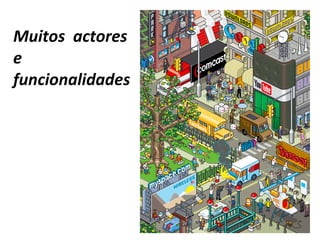
Muitos  actores e funcionalidades
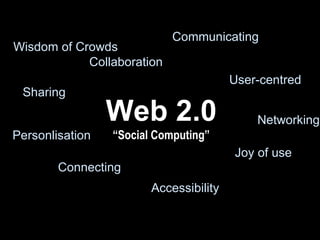
Web 2.0 “ Social Computing” AJAX RSS Atom XML XHTML Tagging Folksonomies Podcasting Vodcasting Wikis Blogs REST SOAP API CSS Microformats Search Engine Optimisation (SEO) Sharing Collaboration User-centred Accessibility Joy of use Personlisation Networking Connecting Communicating Wisdom of Crowds


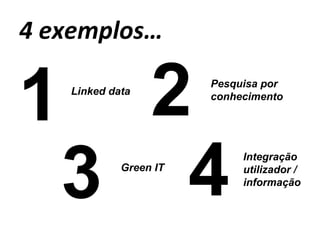
4 exemplos… 1 2 3 4 Linked data Pesquisa por conhecimento Green IT Integração utilizador / informação
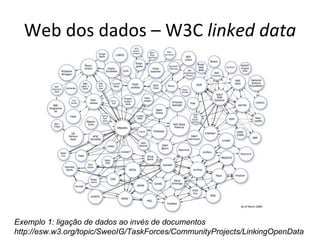
Web dos dados – W3C  linked data Exemplo 1: ligação de dados ao invés de documentos http://esw.w3.org/topic/SweoIG/TaskForces/CommunityProjects/LinkingOpenData
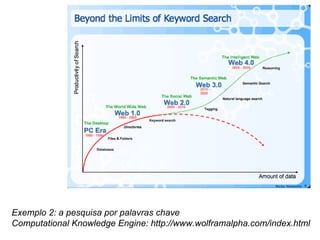
Exemplo 2: a pesquisa por palavras chave Computational Knowledge Engine: http://www.wolframalpha.com/index.html
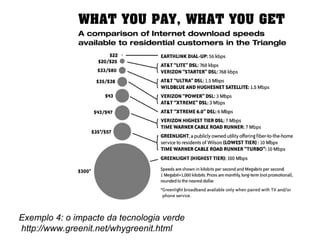
Exemplo 4: o impacte da tecnologia verde  http://www.greenit.net/whygreenit.html
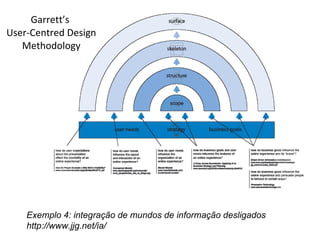
Garrett’s  User-Centred Design Methodology Exemplo 4: integração de mundos de informação desligados http://www.jjg.net/ia/

Evolução da Internet & Web

  • 1.
    Evolução da Internet& Web Luis Borges Gouveia lmbg@ufp.edu.pt | lmbg.blogspot.com Universidade Fernando Pessoa Maio de 2009
  • 2.
    Nota prévia Estaapresentação foi realizada tendo por base o uso de imagens obtidas através do motor de pesquisa Google, seleccionando imagens e os termos “ Web 2.0 and Internet Evolution ” Com base nas imagens foi estabelecida uma ordem com o intuito de contar a história da evolução da Internet para contextualizar o contexto do conceito da Web 2.0 As imagens pertencem a diferentes autores e estão disponíveis na Web. A apresentação é também um tributo aos seus autores e ao imenso acervo de informação multimédia que actualmente constitui a World Wide Web
  • 3.
    Previous remarks Thispresentation was made after getting available Web images using Google search engine, using the searh string “ Web 2.0 and Internet Evolution ” Taking a selection of the many available images, this presentation was built with the goal of telling the story of Internet evolution and to contextualised the Web 2.0 concept The images belong to different authors and are available in the Web. This presentation is also a tribute the many authors that place their content in the Web and to the actual potential of multimedia information that can be acessed in the Internet and the World Wide Web Presentation in Portuguese
  • 4.
  • 5.
  • 6.
  • 7.
  • 8.
  • 9.
    Evolução Aevolução não é a sobrevivência do mais forte, ou o falhanço do mais fraco. A evolução não é justa; não é previsível; nem tão pouco um ente. Também não é cruel, ou caótica, ou injusta. É apenas o que acontece quando as pressões de ambiente se modificam.
  • 10.
    Internet (alpha) Email Telnet Internet Relay Chat (IRC) Kermit Newsgroups Multi-user Domains (MUDs)
  • 11.
  • 12.
    Web 1.0 LynxBrowser Wars Microsoft FrontPage Opensource Web tools Mosaic Netscape Altavista ICQ Email Internet Explorer Dreamweaver HTML Adobe PDF
  • 13.
  • 14.
  • 15.
    Web 2.0 Whatis it? AJAX RSS Atom XML XHTML Tagging Folksonomies Podcasting Vodcasting Wikis Blogs REST SOAP API CSS Microformats Search Engine Optimisation (SEO)
  • 16.
    Tim O’Reilley ea Web 2.0 “… a revolução da indústria dos computadores, causada pela passagem para a Internet como plataforma central de processamento e troca de informação digital…”
  • 17.
    Muitos actorese funcionalidades
  • 18.
    Web 2.0 “Social Computing” AJAX RSS Atom XML XHTML Tagging Folksonomies Podcasting Vodcasting Wikis Blogs REST SOAP API CSS Microformats Search Engine Optimisation (SEO) Sharing Collaboration User-centred Accessibility Joy of use Personlisation Networking Connecting Communicating Wisdom of Crowds
  • 19.
  • 20.
  • 21.
  • 22.
  • 23.
  • 24.
  • 25.
  • 26.
  • 27.
  • 28.
  • 29.
  • 30.
    4 exemplos… 12 3 4 Linked data Pesquisa por conhecimento Green IT Integração utilizador / informação
  • 31.
    Web dos dados– W3C linked data Exemplo 1: ligação de dados ao invés de documentos http://esw.w3.org/topic/SweoIG/TaskForces/CommunityProjects/LinkingOpenData
  • 32.
    Exemplo 2: apesquisa por palavras chave Computational Knowledge Engine: http://www.wolframalpha.com/index.html
  • 33.
    Exemplo 4: oimpacte da tecnologia verde http://www.greenit.net/whygreenit.html
  • 34.
    Garrett’s User-CentredDesign Methodology Exemplo 4: integração de mundos de informação desligados http://www.jjg.net/ia/