Aplicaçãos de RNAP
no auxílio do
diagnóstico da
Doença de Alzheimer
Como você fez?
A doença de Alzheimer
●        Doença neurológica caracterizada por alteração cognitiva1.
●        É mais prevalente senescência1 e corresponde a cerca de 50% dos casos
         dedemência2.
●        As formas de DA podem ser3.
         ○      Familial (genética).
         ○      Esporádica: Possui fatores de riscos, tais como idade avançada,
                histórico familiar, sexo feminino, trauma crânio-encefálico, baixa
                escolaridade, histórico familiar de Síndrome de Down e genótipo com
                a presença da ApoE entre outros.

1
    McKhann G. Clinical diagnosis of AD. 1984.
2
 Herrera J. E. Estudo epidemiológico populacional de demência na cidade de Catanduva, estado de São Paulo, Brasil.
1998.
3
    Jelic V. Phd Thesis. 1999.
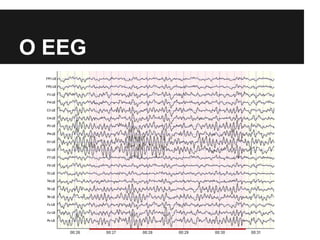
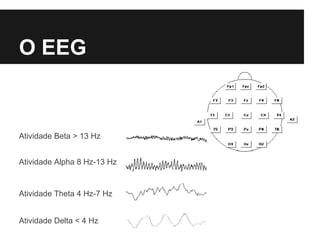
O EEG
O EEG


Atividade Beta > 13 Hz


Atividade Alpha 8 Hz-13 Hz


Atividade Theta 4 Hz-7 Hz


Atividade Delta < 4 Hz
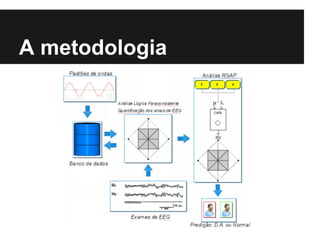
A metodologia
Último trabalho publicado

    Paraconsistent Artificial Neural Networks and
    AD Analysis – Improvements
    Computational Collective Intelligence. Technologies and Applications.
    Lecture Notes in Computer Science.
    Volume 7653, 2012, pp 259-267

●     Jair Minoro Abe,
●     Helder Frederico S. Lopes,
●     Kazumi Nakamatsu
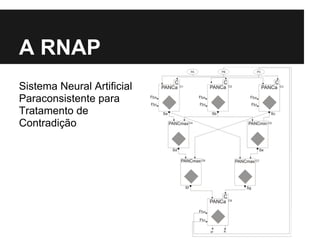
A RNAP
Sistema Neural Artificial
Paraconsistente para
Tratamento de
Contradição
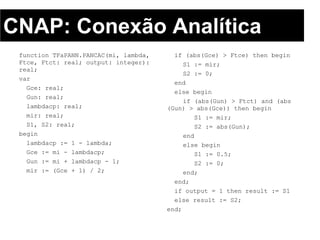
CNAP: Conexão Analítica
 function TFaPANN.PANCAC(mi, lambda,     if (abs(Gce) > Ftce) then begin
 Ftce, Ftct: real; output: integer):        S1 := mir;
 real;
                                            S2 := 0;
 var
                                         end
   Gce: real;
                                         else begin
   Gun: real;
                                            if (abs(Gun) > Ftct) and (abs
   lambdacp: real;                     (Gun) > abs(Gce)) then begin
   mir: real;                                   S1 := mir;
   S1, S2: real;                                S2 := abs(Gun);
 begin                                      end
   lambdacp := 1 - lambda;                  else begin
   Gce := mi - lambdacp;                        S1 := 0.5;
   Gun := mi + lambdacp - 1;                    S2 := 0;
   mir := (Gce + 1) / 2;                    end;
                                         end;
                                         if output = 1 then result := S1
                                         else result := S2;
                                       end;
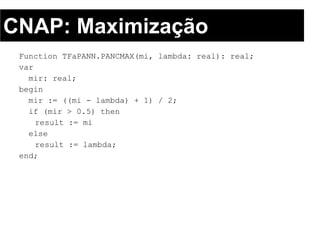
CNAP: Maximização
 Function TFaPANN.PANCMAX(mi, lambda: real): real;
 var
   mir: real;
 begin
   mir := ((mi - lambda) + 1) / 2;
   if (mir > 0.5) then
     result := mi
   else
     result := lambda;
 end;
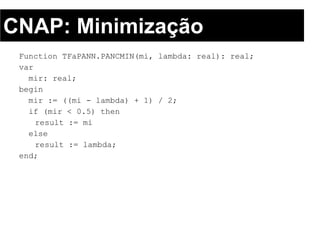
CNAP: Minimização
 Function TFaPANN.PANCMIN(mi, lambda: real): real;
 var
   mir: real;
 begin
   mir := ((mi - lambda) + 1) / 2;
   if (mir < 0.5) then
     result := mi
   else
     result := lambda;
 end;
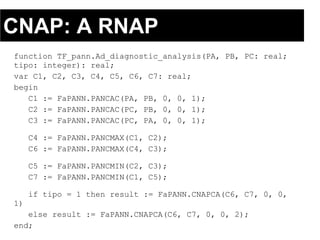
CNAP: A RNAP
function TF_pann.Ad_diagnostic_analysis(PA, PB, PC: real;
tipo: integer): real;
var C1, C2, C3, C4, C5, C6, C7: real;
begin
   C1 := FaPANN.PANCAC(PA, PB, 0, 0, 1);
   C2 := FaPANN.PANCAC(PC, PB, 0, 0, 1);
   C3 := FaPANN.PANCAC(PC, PA, 0, 0, 1);

     C4 := FaPANN.PANCMAX(C1, C2);
     C6 := FaPANN.PANCMAX(C4, C3);

     C5 := FaPANN.PANCMIN(C2, C3);
     C7 := FaPANN.PANCMIN(C1, C5);

     if tipo = 1 then result := FaPANN.CNAPCA(C6, C7, 0, 0,
1)
   else result := FaPANN.CNAPCA(C6, C7, 0, 0, 2);
end;
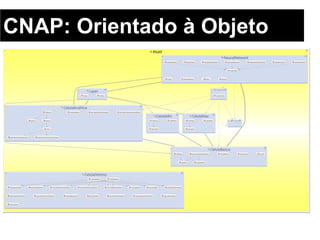
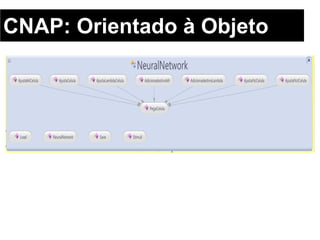
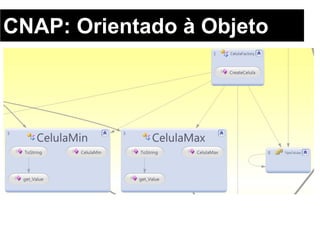
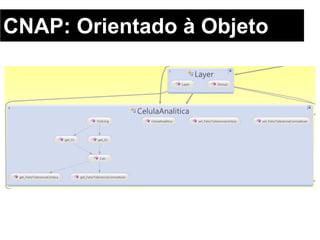
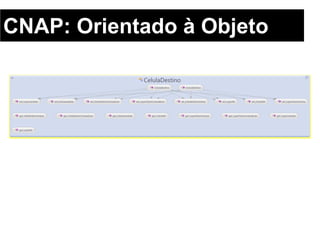
CNAP: Orientado à Objeto
That´s all Folks!
Dúvidas, críticas sugestões?

Helder Frederico Lopes

      helderfredlopes@usp.br

      @helder_fs_lopes

           Agradecimento: Charles Alves

Aplicação de Redes Neurais Artificiais Paraconsistentes no auxílio do diagnóstico da doença de Alzheimer: Como você fez???

  • 1.
    Aplicaçãos de RNAP noauxílio do diagnóstico da Doença de Alzheimer Como você fez?
  • 2.
    A doença deAlzheimer ● Doença neurológica caracterizada por alteração cognitiva1. ● É mais prevalente senescência1 e corresponde a cerca de 50% dos casos dedemência2. ● As formas de DA podem ser3. ○ Familial (genética). ○ Esporádica: Possui fatores de riscos, tais como idade avançada, histórico familiar, sexo feminino, trauma crânio-encefálico, baixa escolaridade, histórico familiar de Síndrome de Down e genótipo com a presença da ApoE entre outros. 1 McKhann G. Clinical diagnosis of AD. 1984. 2 Herrera J. E. Estudo epidemiológico populacional de demência na cidade de Catanduva, estado de São Paulo, Brasil. 1998. 3 Jelic V. Phd Thesis. 1999.
  • 3.
  • 4.
    O EEG Atividade Beta> 13 Hz Atividade Alpha 8 Hz-13 Hz Atividade Theta 4 Hz-7 Hz Atividade Delta < 4 Hz
  • 5.
  • 6.
    Último trabalho publicado Paraconsistent Artificial Neural Networks and AD Analysis – Improvements Computational Collective Intelligence. Technologies and Applications. Lecture Notes in Computer Science. Volume 7653, 2012, pp 259-267 ● Jair Minoro Abe, ● Helder Frederico S. Lopes, ● Kazumi Nakamatsu
  • 7.
    A RNAP Sistema NeuralArtificial Paraconsistente para Tratamento de Contradição
  • 8.
    CNAP: Conexão Analítica function TFaPANN.PANCAC(mi, lambda, if (abs(Gce) > Ftce) then begin Ftce, Ftct: real; output: integer): S1 := mir; real; S2 := 0; var end Gce: real; else begin Gun: real; if (abs(Gun) > Ftct) and (abs lambdacp: real; (Gun) > abs(Gce)) then begin mir: real; S1 := mir; S1, S2: real; S2 := abs(Gun); begin end lambdacp := 1 - lambda; else begin Gce := mi - lambdacp; S1 := 0.5; Gun := mi + lambdacp - 1; S2 := 0; mir := (Gce + 1) / 2; end; end; if output = 1 then result := S1 else result := S2; end;
  • 9.
    CNAP: Maximização FunctionTFaPANN.PANCMAX(mi, lambda: real): real; var mir: real; begin mir := ((mi - lambda) + 1) / 2; if (mir > 0.5) then result := mi else result := lambda; end;
  • 10.
    CNAP: Minimização FunctionTFaPANN.PANCMIN(mi, lambda: real): real; var mir: real; begin mir := ((mi - lambda) + 1) / 2; if (mir < 0.5) then result := mi else result := lambda; end;
  • 11.
    CNAP: A RNAP functionTF_pann.Ad_diagnostic_analysis(PA, PB, PC: real; tipo: integer): real; var C1, C2, C3, C4, C5, C6, C7: real; begin C1 := FaPANN.PANCAC(PA, PB, 0, 0, 1); C2 := FaPANN.PANCAC(PC, PB, 0, 0, 1); C3 := FaPANN.PANCAC(PC, PA, 0, 0, 1); C4 := FaPANN.PANCMAX(C1, C2); C6 := FaPANN.PANCMAX(C4, C3); C5 := FaPANN.PANCMIN(C2, C3); C7 := FaPANN.PANCMIN(C1, C5); if tipo = 1 then result := FaPANN.CNAPCA(C6, C7, 0, 0, 1) else result := FaPANN.CNAPCA(C6, C7, 0, 0, 2); end;
  • 12.
  • 13.
  • 14.
  • 15.
  • 16.
  • 17.
    That´s all Folks! Dúvidas,críticas sugestões? Helder Frederico Lopes helderfredlopes@usp.br @helder_fs_lopes Agradecimento: Charles Alves