Baixar para ler offline

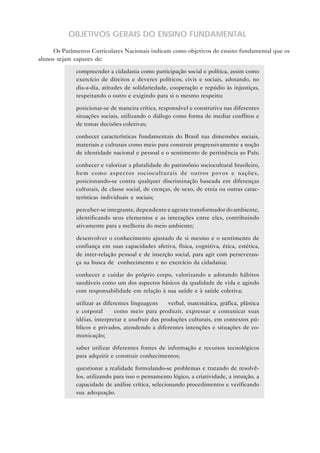
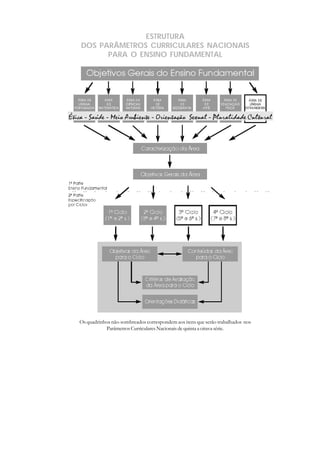
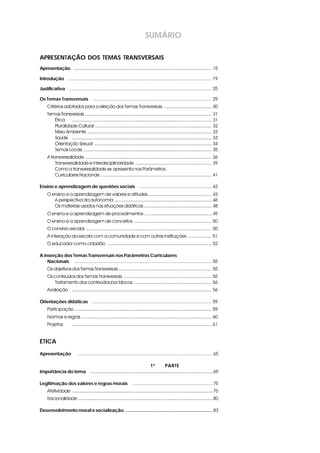





The Brazilian Constitution of 1988 established civil, political and social rights for citizens and defined the objectives of the Republic as building a free, just and solidarity society that promotes equality and reduces inequalities. This document discusses how the Constitution forms the basis for a democratic society through the constitution and recognition of subjects of rights, and how the concept of citizenship has evolved over time through struggles and the expansion of rights. The document introduces the Transversal Themes that will be addressed in the Parameters, which aim to incorporate social issues into the educational work of schools.


