Comprehensive Overview of Non-Clinical Studies in Drug Development
Explore the role of non-clinical studies in drug efficacy, safety, pharmacokinetics, toxicology, GLP, and regulatory requirements before IND submission.
Comprehensive Overview of Non-Clinical Studies in Drug Development
2.
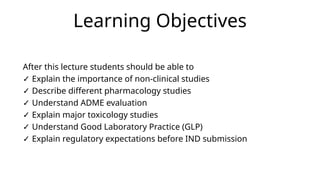
Learning Objectives
After thislecture students should be able to
✓ Explain the importance of non-clinical studies
✓ Describe different pharmacology studies
✓ Understand ADME evaluation
✓ Explain major toxicology studies
✓ Understand Good Laboratory Practice (GLP)
✓ Explain regulatory expectations before IND submission
4.
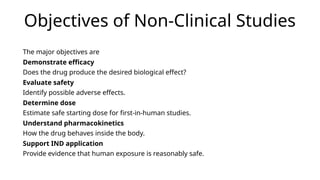
Objectives of Non-ClinicalStudies
The major objectives are
Demonstrate efficacy
Does the drug produce the desired biological effect?
Evaluate safety
Identify possible adverse effects.
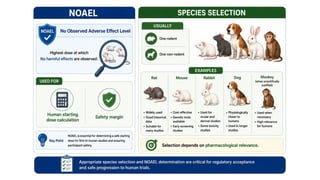
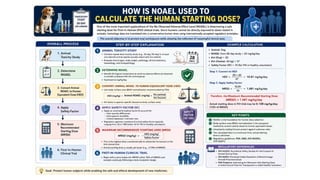
Determine dose
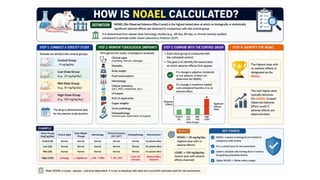
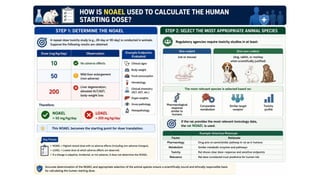
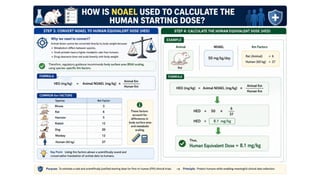
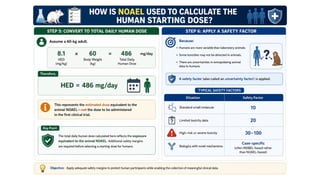
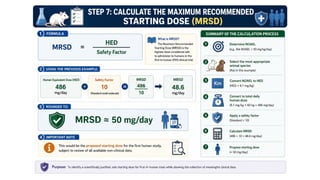
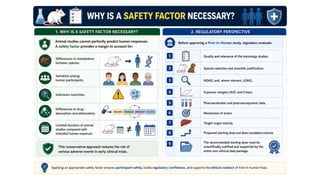
Estimate safe starting dose for first-in-human studies.
Understand pharmacokinetics
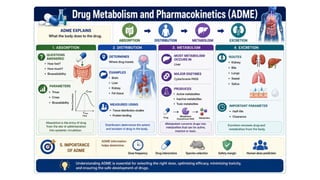
How the drug behaves inside the body.
Support IND application
Provide evidence that human exposure is reasonably safe.
5.
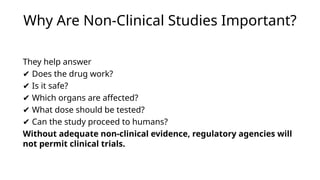
Why Are Non-ClinicalStudies Important?
They help answer
✔ Does the drug work?
✔ Is it safe?
✔ Which organs are affected?
✔ What dose should be tested?
✔ Can the study proceed to humans?
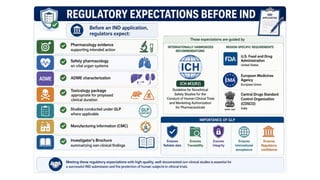
Without adequate non-clinical evidence, regulatory agencies will
not permit clinical trials.
24.
Summary
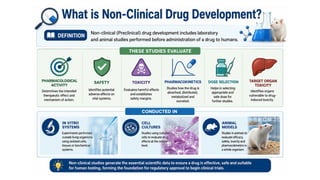
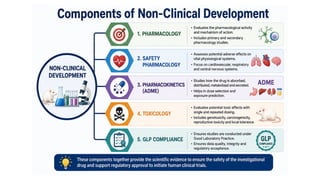
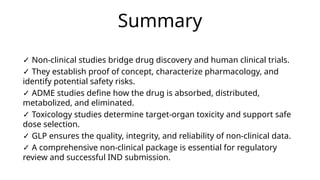
✓ Non-clinical studiesbridge drug discovery and human clinical trials.
✓ They establish proof of concept, characterize pharmacology, and
identify potential safety risks.
✓ ADME studies define how the drug is absorbed, distributed,
metabolized, and eliminated.
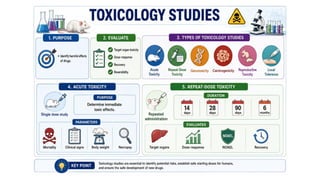
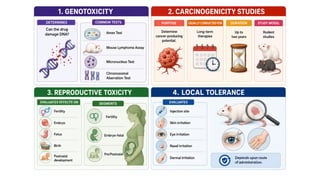
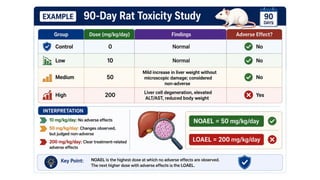
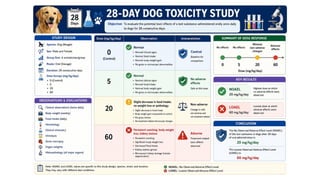
✓ Toxicology studies determine target-organ toxicity and support safe
dose selection.
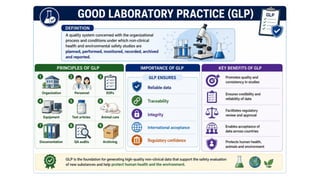
✓ GLP ensures the quality, integrity, and reliability of non-clinical data.
✓ A comprehensive non-clinical package is essential for regulatory
review and successful IND submission.